



 Spring, TX 77386
 (936) 647-0069


Understanding Hidden Water Leaks in Texas
A hidden water leak occurs when water escapes from your plumbing system in areas that are not easily visible, such as behind walls, beneath floors, inside ceilings, or under a home's foundation. Because these leaks often go unnoticed, they can continue causing damage long before obvious signs appear.
Even a small leak can lead to higher water bills, property damage, microbial growth, and costly repairs over time. Understanding the warning signs of hidden leaks can help homeowners take action before minor issues become major plumbing problems.
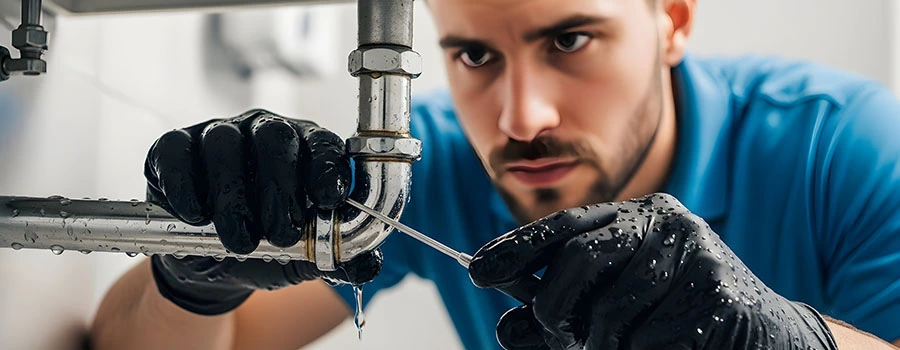
How Can You Find a Hidden Water Leak?
A hidden water leak can often be detected by monitoring your water bill, performing a water meter test, looking for water stains or damp areas, checking for musty odors, and watching for changes in water pressure. While some hidden leaks show visible warning signs, others remain concealed behind walls, beneath floors, or under your home's foundation.
Finding a hidden water leak early can help prevent water damage, microbial growth, structural damage, and costly repairs.
Common Signs of a Hidden Water Leak
Many hidden leaks provide warning signs before major damage occurs.
Unexpected Increases in Your Water Bill
One of the most common signs of a hidden water leak is a sudden spike in your water bill.
If your water usage habits haven't changed but your monthly water bill continues to increase, a leak may be allowing water to flow continuously somewhere within the plumbing system.
Pay close attention to:
- higher-than-normal utility bills
- increased water usage
- unexpected monthly fluctuations
- water waste without explanation
Water Stains on Walls, Ceilings, or Floors
Water stains often indicate hidden moisture behind building materials.
Look for:
- discolored drywall
- bubbling paint
- warped flooring
- ceiling stains
- cracks in walls
Visible water damage often appears long after a leak begins.
Musty Odors and Microbial Growth
When hidden moisture remains trapped behind walls or beneath flooring, mildew thrive.
Common warning signs include:
- musty odors
- visible microbial growth
- persistent damp smells
- increased allergy symptoms
These issues often indicate a leak that requires immediate attention.
Wet Spots and Standing Water
Damp areas or standing water that appear without an obvious source may indicate hidden leaks.
Check for:
- wet spots near walls
- damp carpet
- moisture around the water heater
- pooling water near appliances
- saturated areas in the front yard
Perform a Water Meter Test to Check for Hidden Leaks
A water meter test is one of the easiest ways to determine whether your home may have a hidden water leak.
How to Perform a Water Meter Test
- Turn off all water fixtures and appliances.
- Ensure washing machines, dishwashers, and irrigation systems are not running.
- Locate your water meter.
- Record the current reading.
- Wait one to two hours without using water.
- Recheck the meter reading.
If the meter changes while no water is being used, you likely have a hidden leak somewhere in the system.
The water meter test is a simple first step when you suspect a leak.
Check Toilets for Hidden Leaks
Toilets are a common culprit for hidden water waste.
Use Food Coloring to Detect Toilet Leaks
To test for leaks:
- Remove the tank lid.
- Add several drops of food coloring to the tank.
- Wait approximately 15 minutes.
- Check the bowl.
If color appears in the bowl without flushing, water is leaking from the tank into the toilet.
Even small toilet leaks can waste thousands of gallons of water annually.
Inspect Outdoor Plumbing Components
Not all hidden leaks occur indoors.
Outdoor plumbing systems can also develop leaks that increase water usage and create property damage.
Common Outdoor Leak Sources
Inspect:
- outdoor faucets
- sprinkler heads
- irrigation systems
- sprinkler systems
- underground water supply lines
Look for unusually green grass, soggy soil, standing water, or unexplained wet spots in the front yard.
Other Areas Where Hidden Leaks Commonly Occur
Understanding your home's plumbing layout can help narrow the search.
Behind Walls
Leaks behind walls may result from:
- pipe corrosion
- loose fittings
- aging plumbing materials
- excess water pressure
Beneath Floors and Foundations
Slab leaks often develop beneath a home's foundation and may create:
- cracks in the flooring
- hot spots on floors
- increased water bills
- moisture beneath flooring materials
Around Appliances
Check appliances connected to the water supply, including:
- water heaters
- washing machines
- refrigerators
- dishwashers
A hidden water leak near appliances can cause significant water damage if left untreated.
Why Early Leak Detection Matters
Finding a hidden water leak early can prevent:
- water damage
- microbial growth
- structural damage
- burst pipe emergencies
- higher utility bills
- extensive repair costs
The longer a leak remains undetected, the greater the risk of further damage to your property.
Acting quickly can save homeowners significant time, money, and stress.
How to Help Prevent Hidden Water Leaks
Preventive maintenance plays a major role in protecting your plumbing system. Taking a proactive approach can help reduce the risk of hidden leaks, water damage, and costly repairs.
Schedule annual plumbing inspections: Routine inspections performed through our residential plumbing services can identify small leaks, worn components, and potential problem areas before they become larger issues.
Monitor water usage: Regular tracking makes it easier to spot unusual increases that may indicate a hidden water leak. Our precise leak detection services can help identify the source before significant damage occurs.
Address minor issues promptly: Small leaks rarely stay small. Repairing issues early with our leaks & piping service can help prevent water damage and more extensive repairs.
By staying proactive and addressing warning signs early, homeowners can help protect their property, reduce repair costs, and maintain a reliable plumbing system year-round.
Contact Information
 Phone
Phone
 Email
Email
 Location