



 Spring, TX 77386
 (936) 647-0069


Why Texas Summer Heat Can Be Hard on Your Plumbing System
Texas summers bring prolonged periods of extreme heat, high humidity, and increased water usage that can place significant stress on a home's plumbing system. As outdoor temperatures climb, plumbing pipes, water lines, fixtures, and appliances often work harder to meet seasonal demand.
From shifting soil and pipe damage to water pressure issues and leaking pipes, extreme Texas heat can cause a variety of plumbing problems. Understanding how summer heat affects your plumbing system can help homeowners take preventive steps and avoid costly repairs.
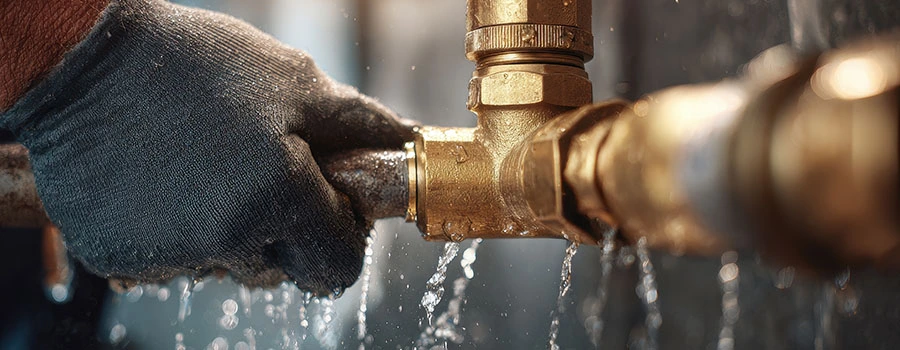
How Can Extreme Texas Summer Heat Damage the Plumbing System?
Extreme heat can damage plumbing systems by causing pipes to expand and contract, increasing water demand, drying out surrounding soil, stressing water heaters, and accelerating wear on aging plumbing components. High temperatures may also contribute to leaks, pressure changes, sewer line damage, and reduced plumbing performance.
Homeowners who recognize the warning signs early can often address potential issues before they lead to significant damage or expensive repairs.
Increased Water Usage Places Additional Stress on Plumbing Systems
Summer months typically bring a significant increase in household water usage.
Common activities include:
- watering lawns
- filling pools
- running sprinkler systems
- taking more frequent showers
- increased outdoor water use
- more demand for cold and hot water
In some cases, summer water usage can increase by as much as 50%.
This increased demand can place added stress on plumbing systems and may contribute to:
- low water pressure
- increased wear on plumbing components
- pressure problems
- greater strain on water supply lines
Older plumbing systems may be especially vulnerable during periods of high demand.
Extreme Heat Can Cause Plumbing Pipes to Expand and Contract
One of the most common effects of high temperatures is thermal expansion.
Heat Can Weaken Plumbing Pipes
As temperatures rise, plumbing pipes naturally expand. When temperatures fluctuate, pipes repeatedly expand and contract, placing stress on joints and connections.
Over time, this cycle can:
- weaken pipes
- cause leaks
- increase the risk of pipe damage
- lead to burst pipes in vulnerable areas
Older pipes are generally more susceptible to heat-related deterioration.
Outdoor Pipes Face Greater Exposure
Outdoor pipes often experience the greatest temperature extremes because they are exposed to direct sunlight and prolonged high heat.
Common risks include:
- cracking
- warping
- UV-related deterioration
- leaking pipes
- increased wear
Plastic and PVC pipes may become more vulnerable when exposed to intense heat for extended periods.
Shifting Soil Can Damage Underground Plumbing
Texas heat affects more than visible plumbing components.
Dry Conditions Can Lead to Soil Movement
As outdoor temperatures climb and dry conditions persist, moisture evaporates from the surrounding soil.
This can cause:
- shifting soil
- uneven ground movement
- stress on underground pipes
- sewer line damage
- water line damage
In severe cases, shifting soil can cause cracked pipes, sagging lines, or pipe failures.
Sewer Lines Can Be Particularly Vulnerable
Underground sewer lines may experience additional stress as the surrounding soil shifts during prolonged periods of heat.
Potential issues include:
- sewer line cracks
- joint separation
- pipe collapse
- reduced drainage performance
Addressing minor issues early can help prevent more extensive sewer repairs later.
Water Heaters Often Work Harder During Summer
Many homeowners assume their water heater places less strain on itself during warm weather.
However, increased water usage can cause a water heater to work harder during the summer months.
High Demand Can Increase Wear
Frequent showers, outdoor activities, guests, and household chores often increase hot water consumption.
This can contribute to:
- increased wear on components
- reduced efficiency
- greater operating stress
- shortened equipment lifespan
Routine maintenance helps keep your water heater working properly throughout the summer.
Air Conditioning Systems Can Contribute to Water Drainage Issues
Your air conditioning and plumbing systems are more connected than many homeowners realize, especially during hot, humid Texas summers.
Condensate Drain Lines Can Become Clogged
Air conditioning systems produce condensation that must drain away through a condensate line. During periods of heavy use and high humidity, these drain lines can become clogged by algae, mold, or debris.
When this happens, homeowners may experience:
- Standing water around the indoor unit
- Overflow from the drain pan
- Water damage near the system
- Increased moisture that can contribute to mold growth
Regular HVAC maintenance and condensate drain line cleaning can help prevent these issues.
Tree Roots Can Become More Aggressive During Drought Conditions
Extreme Texas heat and drought conditions can affect underground plumbing in unexpected ways. As soil dries out, tree roots often seek alternative moisture sources.
This can increase the risk of:
- tree root intrusion
- sewer line damage
- water line damage
- blockages
- leaks
Older sewer lines may be especially susceptible to root-related damage.
Warning Signs of Heat-Related Plumbing Problems
Recognizing warning signs early can help prevent more extensive damage.
Watch for:
- low water pressure
- unexpected increases in water bills
- leaking pipes
- standing water
- slow drains
- unusual sounds in plumbing fixtures
- slight discoloration in water
- wet areas around the house
- reduced water flow
- persistent moisture near exterior walls
A sudden increase in your water bill may indicate hidden leaks caused by heat-related pipe stress.
How to Help Protect Your Plumbing During Texas Summers
Taking preventive steps can help reduce the risk of heat-related plumbing damage.
Recommended measures include:
- schedule regular plumbing maintenance
- request thorough inspections of aging pipes
- monitor water pressure
- check outdoor faucets and garden hoses
- shade exposed outdoor pipes when possible
- repair small leaks promptly
- ensure sprinkler systems are working properly
- watch for warning signs of pipe damage
- maintain your water heater
- inspect areas around exterior walls and foundations
Proactive maintenance can help identify potential issues before they develop into costly repairs.
Contact Information
 Phone
Phone
 Email
Email
 Location