



 Spring, TX 77386
 (936) 647-0069


Why Hard Water Is a Common Problem in Texas Homes
Hard water contains dissolved minerals, primarily calcium and magnesium, that move through your water supply and settle throughout your home's plumbing system. Over time, these mineral particles can leave stubborn hard water stains, chalky buildup, soap scum, and mineral residue on plumbing fixtures, shower doors, sinks, and appliances.
For homeowners, hard water is more than a cleaning inconvenience. Mineral buildup can restrict water flow, reduce appliance efficiency, increase energy costs, and contribute to plumbing issues that may eventually lead to costly repairs.
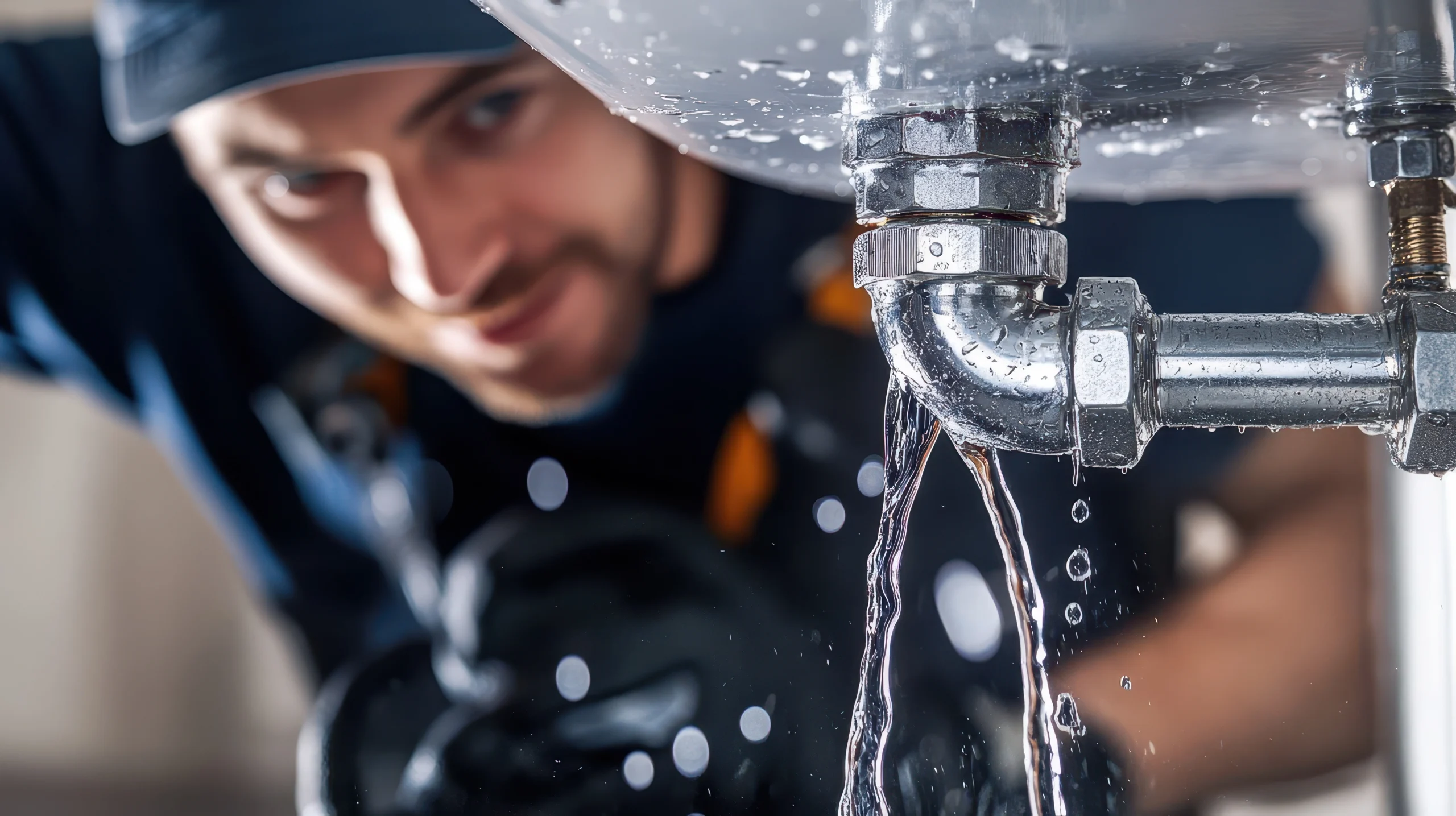
Common Signs You May Have Hard Water
Hard water is often easy to recognize once you know what to look for.
Common warning signs include:
- stubborn hard water stains
- white mineral residue around faucets
- chalky buildup on fixtures
- soap scum in showers and tubs
- dry skin or dull hair
- reduced water pressure
- slight discoloration around fixtures
- spots on dishes or glassware
- plumbing fixtures that need frequent cleaning
If these signs appear throughout the home, the issue may be connected to your water hardness rather than isolated cleaning problems.
How Can Texas Hard Water Damage Your Plumbing System?
Texas hard water can damage your plumbing system by allowing calcium and magnesium minerals to collect inside pipes, water heaters, fixtures, and household appliances. As scale buildup forms along pipe walls and heating elements, it can reduce water pressure, increase energy consumption, shorten equipment lifespan, and create long-term wear on pipes and appliances.
Common signs of hard water damage include:
- white or chalky buildup around faucets
- hard water stains on shower doors
- soap scum that returns quickly
- reduced water pressure
- mineral deposits around plumbing fixtures
- higher energy bills
- shorter appliance life
- water heaters working harder than normal
Addressing mineral buildup early can help protect pipes, improve water quality, and reduce long-term maintenance costs.
What Causes Hard Water Stains and Mineral Buildup?
Hard water stains form when water evaporates and leaves behind calcium and magnesium deposits. These excess minerals can cling to surfaces, collect inside pipes, and create unsightly stains that become harder to remove over time.
You may notice hard water stains on:
- shower doors
- faucets
- sinks
- toilets
- glass surfaces
- plumbing fixtures
- coffee makers
- washing machines
Regular cleaning with mild solutions such as white vinegar or baking soda may provide temporary relief, but cleaning alone does not remove the minerals from the water supply.
How Mineral Deposits Affect Pipes and Water Flow
Mineral deposits can gradually collect along the inside of plumbing pipes. As scale buildup thickens, it narrows the available space for water to move through the system.
This can lead to:
- reduced water pressure
- restricted water flow
- increased strain on plumbing pipes
- higher risk of leaks
- increased wear on older pipes
In metal pipes, scale can also trap moisture against the pipe surface, which may contribute to corrosion, pinhole leaks, or premature pipe failure.
How Mineral-Rich Water Damages Your Water Heater
Water heaters are especially vulnerable to hard water because minerals settle at the bottom of the tank and collect on the heating element. This buildup forces the water heater to work harder to heat water efficiently.
Hard water can affect water heaters by:
- reducing efficiency
- increasing energy bills
- creating sediment buildup
- shortening equipment lifespan
- increasing maintenance needs
- making it harder to maintain consistent hot water
Routine maintenance, including flushing to remove sediment, can help reduce the impact of mineral buildup on water heaters.
How Hard Water Affects Appliances and Increases Household Costs
Hard water doesn't just affect pipes. Mineral buildup can also reduce the performance and lifespan of household appliances that rely on water. As calcium and magnesium deposits accumulate inside equipment, appliances often have to work harder to operate efficiently, leading to increased energy consumption and higher operating costs.
Common effects of hard water include:
- reduced appliance efficiency
- higher energy bills
- increased energy consumption
- more frequent maintenance needs
- shortened appliance life
- costly repairs or replacements
The appliances most commonly affected include:
- washing machines
- dishwashers
- coffee makers
- water heaters
- ice makers
- fixtures connected to the water supply
Water heaters are particularly vulnerable because mineral deposits can collect around the heating element and inside the tank. As scale buildup increases, the unit may require more energy to produce hot water, which can contribute to higher utility costs and increased wear.
Addressing hard water problems early can help improve appliance efficiency, lower maintenance costs, and extend the lifespan of equipment throughout the home.
Water Softening Options for Hard Water
A water softener is one of the most common ways homeowners address hard water. Many water softeners work by removing calcium and magnesium minerals from the water and replacing them with sodium or potassium. This process helps reduce mineral buildup throughout the plumbing system and can improve the performance of pipes, fixtures, and appliances.
A water softening system may help:
- reduce mineral buildup
- protect pipes and appliances
- improve soft water quality
- prevent stains from returning quickly
- improve appliance efficiency
- extend equipment lifespan
Some homeowners also consider water conditioners, reverse osmosis systems, or an RO system for specific water quality concerns. Reverse osmosis can help improve drinking water, while water softening focuses more directly on hardness minerals that affect the plumbing system.
Other Ways to Reduce Hard Water Damage Around the Home
Homeowners can take preventive steps to reduce hard water damage and protect their plumbing system.
Helpful steps include:
- cleaning hard water stains regularly before buildup hardens
- using white vinegar or baking soda for mineral residue on surfaces
- flushing water heaters as part of routine maintenance
- watching for reduced water pressure
- inspecting plumbing fixtures for scale buildup
- addressing leaks or pressure problems quickly
- considering water softener installation if mineral buildup is widespread
- scheduling professional plumbing service when hard water causes recurring issues
Regular maintenance can help reduce temporary relief cycles and protect your home's plumbing system from long-term mineral buildup.
Contact Information
 Phone
Phone
 Email
Email
 Location